
Find helpful information on caregiving and COPD
Learning more with Daisy, our AI-generated COPD Caregiver
Meet Daisy - She’s here to explain the information on this page and support you as you care for a loved one with COPD.
You’re in this together
Caring for someone with COPD—whether it’s your spouse, parent, friend, or relative—is an incredibly important role. Your dedication makes a real difference in their life, and the care you provide goes beyond just the daily tasks. Even though the journey can be challenging at times, your support is essential to their well-being.
As you help with things like managing their care, making decisions, or simply getting through day-to-day life, it’s important to have the right information about COPD. Being informed can help reduce the stress and uncertainty for both you and your loved one. So you can focus on what matters.1,2


You can’t do everything, but:
You are an invaluable resource to your loved one with COPD. You can help them stay active, eat healthier, and either start or keep up with their pulmonary rehabilitation program. You’re also able to offer:


Concrete support
- Celebrate milestones in their health journey, for example in their smoking cessation journey.
- Keep a list of their medication & Make sure their vaccinations are up-to-date. 3
- Advocate for your loved one navigating the NHS Healthcare system in the UK

Emotional support
- Be on your loved one’s team, acting as a partner
- Make feelings about COPD a normal, neutral topic of conversation.
- Maintain clear boundaries and communicate your role often, maintaining as well their need for independance

Record COPD Signs and symptoms using SHoW notes and COPD tracker:
- Symptoms they had.
- How long they lasted.
- What was done about them.
Tracking COPD symptoms helps you notice changes that you can then discuss with your healthcare professional. Always SHoW the doctor
Caring for them, caring for you
While your loved one is the person who has COPD, both of you are living with it. It’s normal for caregivers to get overwhelmed, so it’s important for you to acknowledge the difficulties of being a caregiver. Then, you can take concrete steps toward your own health and resilience.

Even the smallest moments of self-care can make a difference.

Signs of stress to look out for
- Constantly feeling sad or worried
- Being irritable
- Low energy
- Issues with sleep
- Lack of interest in socialising and hobbies
- Changes in eating habits

Actions that have been helpful for other caregivers
- Making a list of tasks you need help with, and who to ask
- Ringing a friend while doing the washing or tidying up
- Joining a support group and/or speaking with a counsellor
- Taking “shortcuts” ease the workload, like using paper plates or pre-chopped vegetables
- Goign for a walk or running an errand outdoors to "reset" when feeling frustrated
- Setting reminders on your mobile for self-care
- Treating time with friends or hobbies as fixed appointments that cannot be moved
Tools & Resources
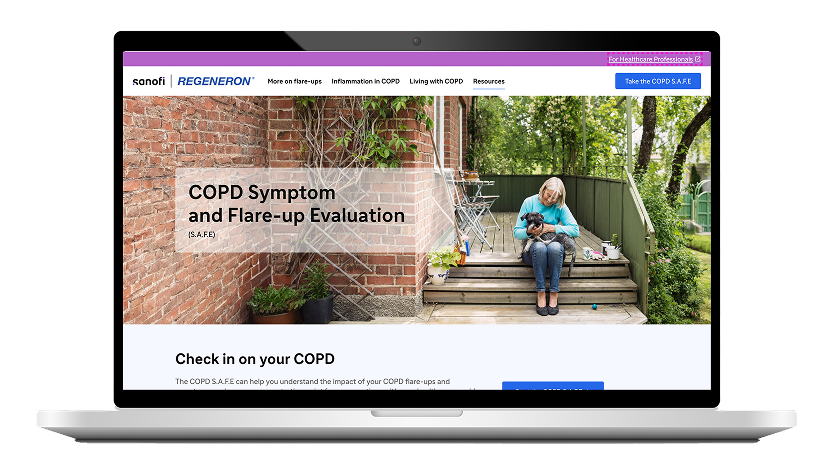
COPD Self-Assement questionnaire
Assess your loved one’s disease symptoms and impact together.
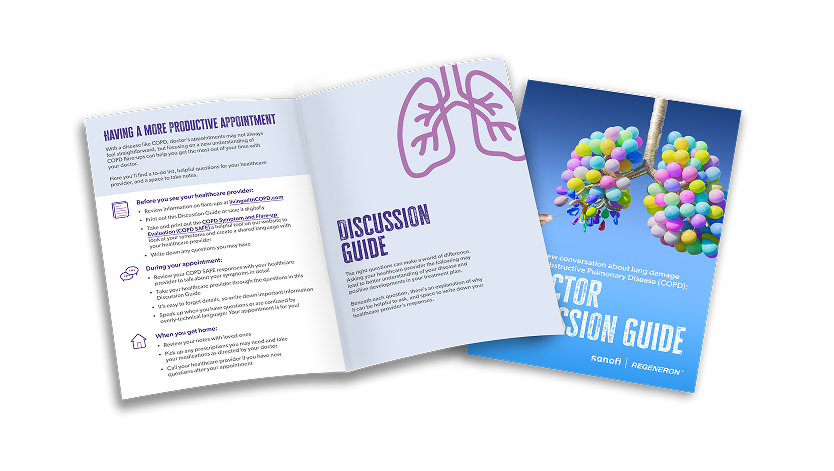
Have a good discussion
Get ready for more productive discussions with your doctor.

COPD Excacerbations (Flare-ups) explained
Understanding excacerbations doesn’t have to be complicated.

Supporting organisations
Find trusted additional advice and resources on the Asthma + Lung UK caregivers page.
References
1. The COPD Caregiver. COPD Foundation. Available at: https://www.copdfoundation.org/Learn-More/I-am-a-Caregiver/The-COPD-Caregiver.aspx Date accessed: Oct 2025.
2. Caregiver Self-Care Checklist: Managing Stress & Support Groups. Caregiver Action Network. Available at: https://www.caregiveraction.org/caregiver-self-care/ Date accessed: Oct 2025.
3. COPD Caregivers Toolkit. National Heart, Lung, and Blood Institute (NHLBI). Available at: https://www.nhlbi.nih.gov/health-topics/copd-caregivers-toolkit Date accessed: Oct 2025.
MAT-XU-2504264 (V2.0) | February 2026