
About Let's Dance - An introduction from Shirley Ballas
Join the Let’s Dance programme and take a positive step towards managing your COPD. This initiative aims to increase your daily movement and have fun while being active.
These dance routines have been developed especially for people living with COPD by pulmonary rehabilitation and choreography experts - with additional input from our campaign ambassador, Shirley Ballas, to help you stay active.
Why exercise matters in COPD
Types of exercises for COPD
- Pulmonary rehabilitation: Pulmonary rehabilitation, or rehab, is a specialised programme of exercise and education designed to help people improve lung function so they can do more exercise without getting out of breath.2
- Aerobic exercise: Aerobic exercise, like walking or swimming, is good for your heart and lungs as it helps you use oxygen more efficiently. 8
- Resistance training: Resistance training, or weight training, involves making your muscles stronger, including the ones you use to breath, and is a low-impact way to improve your lung function. Some of these exercises can also be performed on a chair.8
Exercise precautions for COPD:
Whilst it's generally safe for people to exercise with COPD, you should stop exercising if you:
- experience increased breathlessness or other worsening symptoms
- have a fever or infection
- feel sick (nausea), dizzy, or unsteady
- have chest pain
- have a too fast or irregular heartbeat
Remember, it’s always a good idea to talk to your healthcare professional about the best activities for you. It is not suitable for everyone and will be recommended by your healthcare professional on a case-by-case basis.
Where Dance Meets Exercise for COPD patients
Each video contains a warm-up, three dance routines and time for you to catch your breath, depending on your energy level, you can choose to stand or sit, so put on a song of your choice and give it a try!
Dance routine videos
Routine #1 Waltz, Cha-cha-cha and Samba
Routine #2 Tango, Rumba and Jive
Routine #3 Foxtrot, Quickstep and Rumba
How are you feeling during exercise?
Take note of how you feel as you are doing these dance movements. Our COPD Symptom Tracker can help you keep track.
It is expected to feel a little breathless while moving, so don’t worry. However, if, your find these exercises getting harder over time, consider taking our COPD self-assessment questionnaire or speaking to your doctor to discuss your COPD management.
There are also other ways to manage your disease. Learn more about how to live well with COPD.
Please always seek advice and guidance from your healthcare professional if you experience a noticeable worsening or change of your symptoms as they can help determine the cause.
Resources

Learn about your own COPD
Self-assessment can help you start a conversation with your healthcare professional about your COPD and how you can take positive steps to help manage your everyday symptoms.
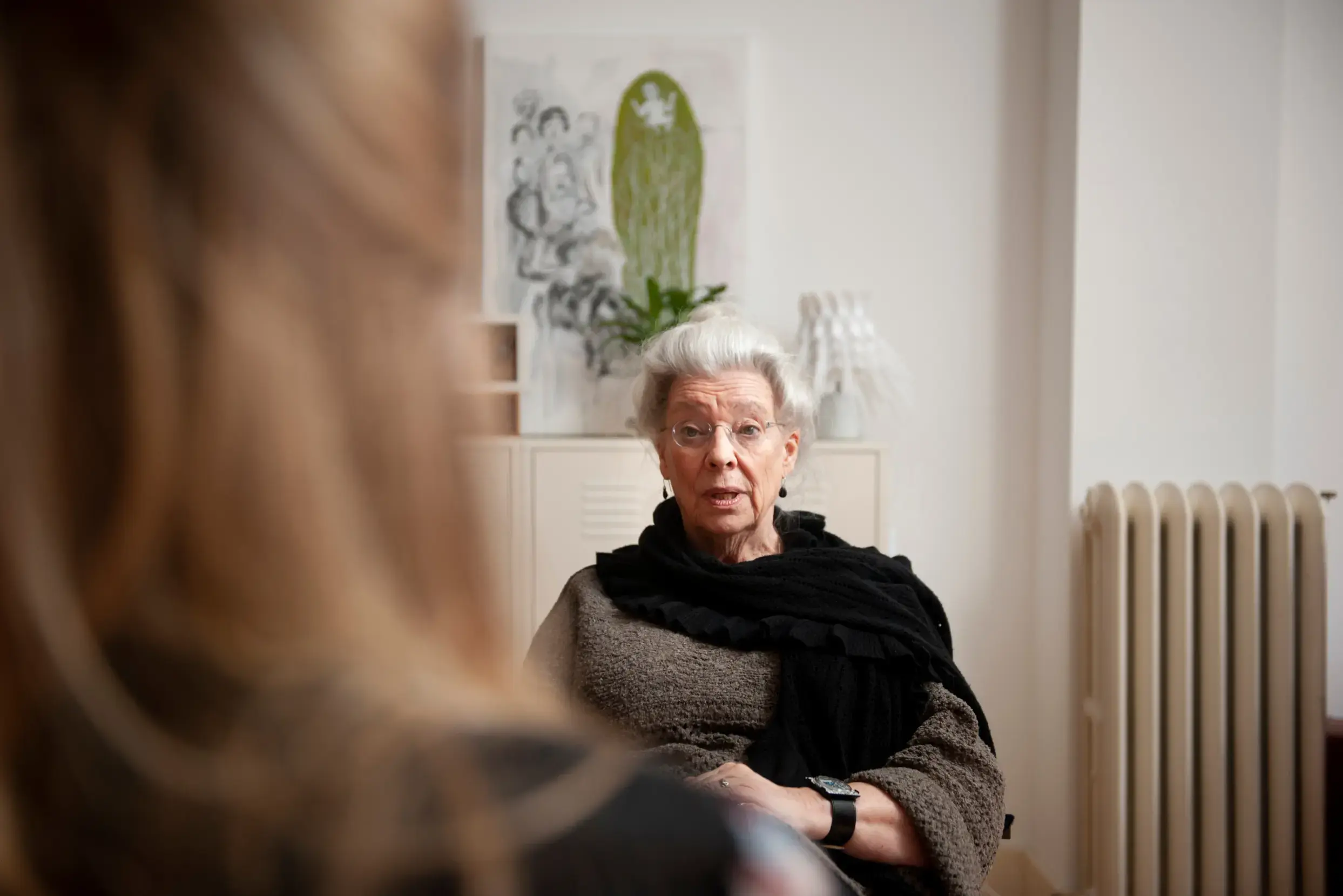
Having a focused discussion with your doctor
Asking the right questions could lead to more productive conversations with your healthcare professional.
Download this guide to help you get the most out of your appointments.

Keep a track of your COPD symptoms
Tracking your COPD symptoms helps you notice changes that you can then discuss with your healthcare professional.
COPD References
- What can you do to manage your COPD? Asthma + Lung UK. May 2022. Available at: https://www.asthmaandlung.org.uk/conditions/copd-chronic-obstructive-pulmonary-disease/what-can-you-do-manage-your-copd. Date accessed: Dec 2025.
- Living with Chronic obstructive pulmonary disease (COPD). NHS. Apr 2023. Available at: https://www.nhs.uk/conditions/chronic-obstructive-pulmonary-disease-copd/living-with/. Date accessed: Dec 2025.
- Treating COPD. American Lung Association. Apr 2024. Available at: https://www.lung.org/lung-health-diseases/lung-disease-lookup/copd/treating. Date accessed: Dec 2025.
- Albarrati AM, et al. BMC Pulm Med. 2020;20(1):60.
- McCarthy B, et al. Cochrane Database Syst Rev. 2015;2015(2):CD003793.
- Puhan MA, et al. Cochrane Database Syst Rev. 2016;12(12):CD005305.
- South Tees Hospitals NHS Foundation Trust. Chronic Obstructive Pulmonary Disease (COPD). Sep 2023. Available at: https://www.southtees.nhs.uk/resources/chronic-obstructive-pulmonary-disease-copd/. Date accessed: Dec 2025.
- Physical Activity and COPD. American Lung Association. Available at: https://www.lung.org/lung-health-diseases/lung-disease-lookup/copd/living-with-copd/physical-activity Date accessed: Dec 2025.