

What is COPD?
COPD (Chronic Obstructive Pulmonary Disease) is characterized by restricted. airflow and.
breathing problems, but has a broad range of symptoms and impact. This means it affects
each of the world's 280 million patients-and their lungs-differently. It can be caused by many
things, including genetics, lung damage from smoking or pollution, and more. People with
COPD experience "flare-ups" of their respiratory symptoms, often characterized as bad days
with increased difficulty breathing, nonstop coughfng, and. more phlegm than normal. 3-4
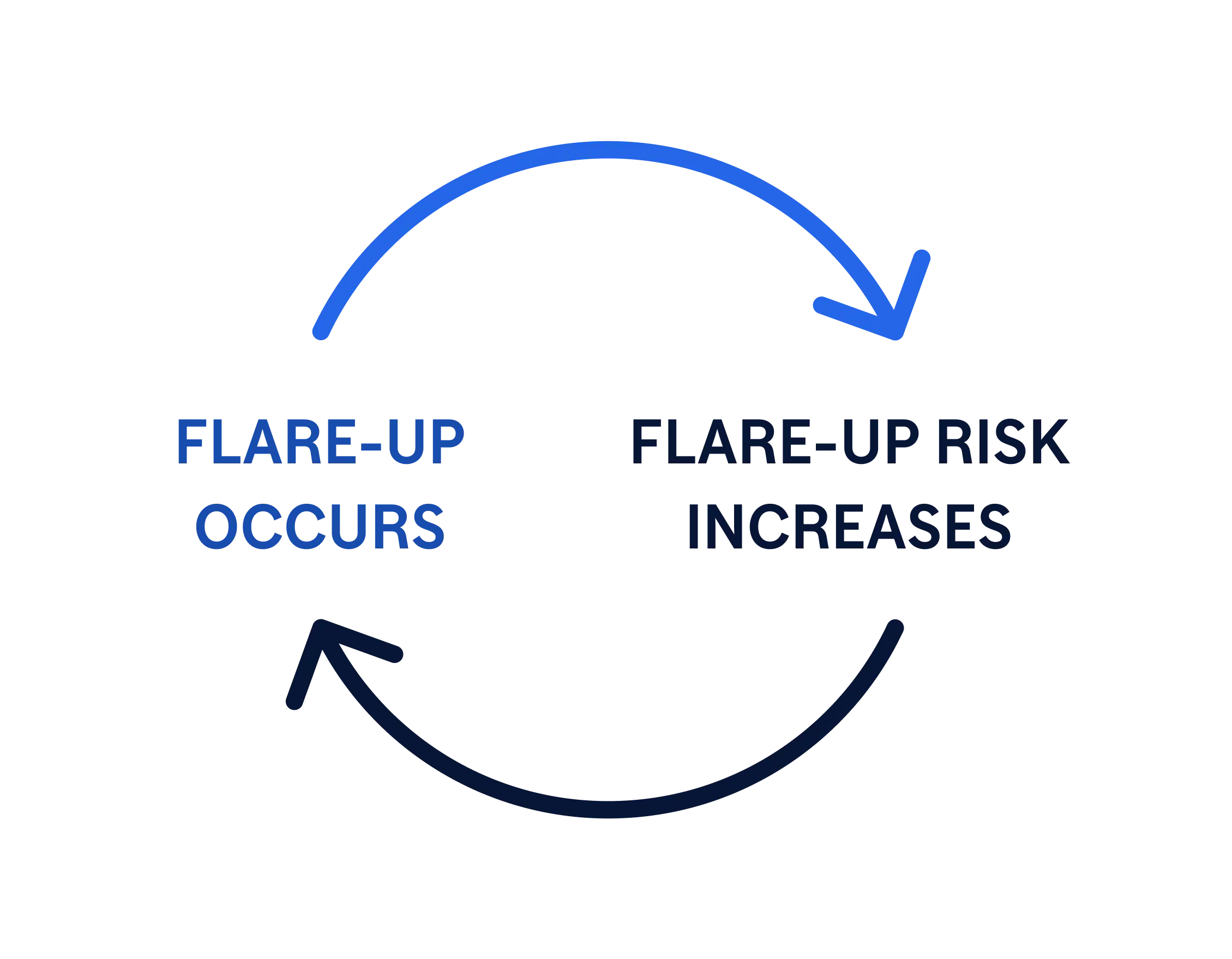
A ''bad COPD day'' can lead to more bad days
Whether it’s manageable at home or brings you to the emergency room, every flare-up could lead to worsened lung function, more hospitalizations, and progression of the disease. This means that every flare-up increases your risk of another unpredictable flare-up, potentially preventing you from doing what you love.
Having frequent COPD flare-ups (especially moderate-to-severe flare-ups) while already on a treatment plan means the COPD is uncontrolled. Patients with uncontrolled COPD are at high risk of their COPD getting irreversibly worse unless the treatment plan is adapted.
Keep a clear record of your flare-ups to show your doctor, including the duration, symptoms, and severity. Your doctor may use “mild,” “moderate,” and “severe” when talking about the severity of flare-ups.
Mild
Mild flare-ups
Treated with rest e:ind additional pumps from an in haler.
Moderate
Moderate flare-ups
Treated with oral steroids and/or antibiotics
Severe
Severe flare-ups
Results in ER visits or hospitalization.
Treatments you may be familiar with
Many treatment options are available, consult your specialist doctor to develop a treatment plan suitable for your case

References
- Kerkhof Int J COPD 2020
- CDC 2019 Basics About COPD
- Agustí Eur Respir J 2023
- Rabe AJRCCM 2023
- Soler-Cataluna Int J COPD 2014
- Global Initiative for Chronic Obstructive Lung disease report 2024 7. Mayo Clinic Diagnosis and treatment